Winterizing your sprinkler system in Utah helps protect pipes, valves, sprinkler heads, and backflow parts before freezing weather arrives. Along the Wasatch Front, cold nights can set in quickly in fall, and leftover water in the system can expand, crack parts, and lead to expensive spring repairs. This guide explains when to winterize sprinklers in Utah and what the process usually includes.
Why Sprinkler Winterization Matters in Utah
Utah irrigation systems deal with freezing nights, dry fall weather, and fast temperature swings. Even if the lawn still looks dry, the sprinkler lines may hold water that can freeze once temperatures drop. A proper sprinkler system winterization in Utah helps reduce the risk of broken lines, damaged valves, and cracked sprinkler heads.
This is especially important for homes in Salt Lake City, Lehi, Sandy, Draper, Provo, and nearby Wasatch Front communities. Many systems have exposed backflow preventers, buried lines, valve boxes, and multiple zones that need to be cleared before winter. If one part is missed, the damage may not appear until the system is turned back on in the spring.
When to Winterize Sprinklers in Utah
The best time to winterize sprinklers in Utah is usually before steady overnight freezing temperatures arrive. For many Wasatch Front homeowners, this means late September through October. Higher elevations or colder areas may need service earlier.
You should schedule irrigation winterization when:
Your lawn no longer needs regular watering
Overnight lows start getting close to freezing
Your area has early frost warnings
Your irrigation company starts fall scheduling
You want to avoid the late-season rush
Waiting too long can be risky because sprinkler winterization companies may book up fast. It is better to shut the system down a little early than deal with freeze damage after the first hard cold snap.
Step 1: Shut Off the Irrigation Water Supply
Start by turning off the main water supply to the sprinkler system. This valve may be in a basement, utility room, garage, crawl space, or outdoor irrigation area. The goal is to stop more water from entering the system before it is drained or blown out.
Be careful not to shut off the wrong valve. Some homes have a dedicated irrigation shutoff, while others have a more complex setup. If you are unsure, a professional can identify the right valve before the winterization process begins.
Step 2: Turn Off the Sprinkler Controller
Next, turn off the sprinkler controller or place it in rain mode. This keeps the system from trying to run during winter. It also prevents dry cycling after the water supply has been shut off.
For smart controllers, look for a seasonal shutdown or winter setting. For basic controllers, you may need to switch the system off manually. The controller should stay inactive until spring startup.
Step 3: Drain What You Can
Some sprinkler systems have manual drain valves that help release water from low points. These may be located near valve boxes, backflow parts, or lower areas of the irrigation layout. Opening these valves can help remove some standing water before the blowout.
Common areas that may hold water include:
Low sprinkler lines
Valve boxes
Backflow assemblies
Outdoor shutoff points
Sprinkler heads in lower lawn areas
Not every system has manual drains. Do not force stuck valves, because that can break fittings or create leaks.
Step 4: Blow Out the Sprinkler Lines
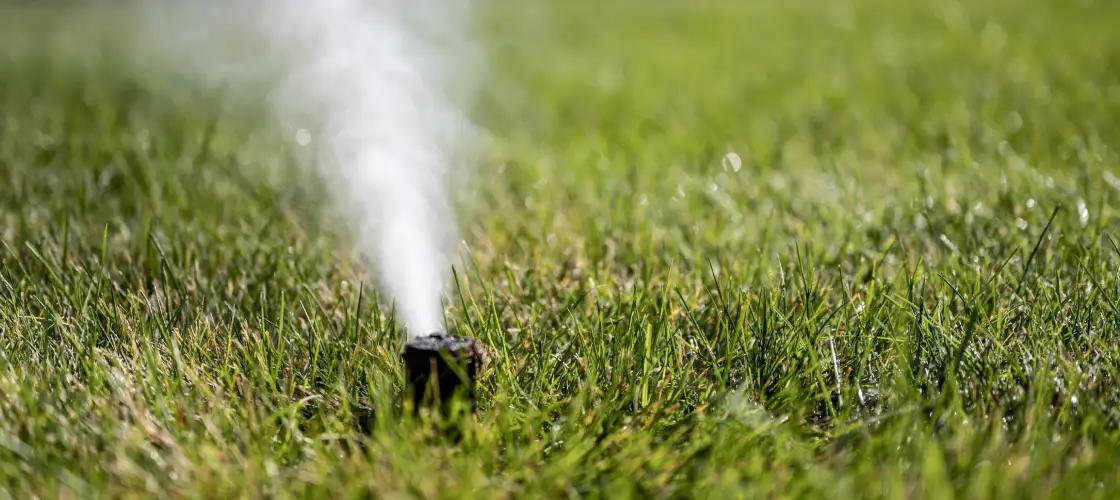
The blowout is the most important part of winterizing a sprinkler system in Utah. This process uses compressed air to push remaining water out of the irrigation lines, zone by zone. It helps clear water that simple draining cannot remove.
A proper sprinkler blowout should:
Clear each irrigation zone separately
Use controlled air pressure
Push water out through the sprinkler heads
Avoid over-pressurizing valves and fittings
Continue until mostly air comes out of the heads
This step is where many DIY mistakes happen. Too little air volume may leave water in the lines, while too much pressure can damage the system.
Step 5: Protect the Backflow Preventer
The backflow preventer is one of the easiest parts of the system to damage in freezing weather. It is often exposed above ground, which means trapped water can freeze faster than water in buried lines. If this part cracks, repairs can be costly.
During sprinkler system winterization along the Wasatch Front, the backflow should be drained and positioned correctly. Exposed parts may also need insulation or a protective cover. This is especially important for homes in Salt Lake City, Lehi, and other areas that see hard overnight freezes.
Step 6: Check the System Before Winter
After the lines are cleared, do a final check of the system. This helps catch visible issues before everything is covered by snow or winter weather. It can also make the spring startup easier.
Look for:
Broken sprinkler heads
Cracked valve box lids
Leaking fittings
Low areas that held water
Damaged exposed pipes
Loose or missing insulation
Controller settings that need to stay off
A quick inspection can help prevent small issues from turning into bigger repairs later. If something looks damaged, fall is a good time to have it noted before spring startup.
Common Sprinkler Winterization Mistakes to Avoid
A few simple mistakes can leave water trapped in the system. Utah homeowners should avoid these common problems:
Waiting until after the first hard freeze
Only turning off the controller
Forgetting the backflow preventer
Skipping one or more zones
Using too much air pressure
Using a compressor that is too small
Turning the system back on after winterization
Assuming every irrigation system drains the same way
Each sprinkler system is different. A home in Lehi may have a different setup than a property in Salt Lake City, Provo, or another Wasatch Front area.
How Aeroscape Helps With Sprinkler Winterization in Utah
Aeroscape Property Maintenance & Landscaping helps homeowners and property owners prepare irrigation systems for freezing weather. Our team provides sprinkler system winterization for Utah properties that need careful seasonal shutdown before winter. We focus on clearing the system properly, protecting key components, and reducing the risk of spring irrigation repairs.
We also provide irrigation services, landscape maintenance, commercial property care, and seasonal support throughout the year. If you need sprinkler winterization in Salt Lake City, Lehi, or nearby Wasatch Front communities, scheduling early is the best way to protect your system. A proper fall shutdown can make spring startup smoother and help your irrigation system last longer.
Schedule Sprinkler Winterization Before Utah Freezes Hit
Winterizing your sprinkler system in Utah helps protect your pipes, valves, sprinkler heads, and backflow preventer from freeze damage. The best time to schedule service is usually in late September or October, before steady overnight freezes arrive along the Wasatch Front. Contact us today to schedule sprinkler winterization and get your irrigation system ready before winter.
Ready to work with a dependable commercial landscaping partner? Contact our team to discuss your property needs, timelines, and expectations. We’re here to provide consistent service, clear communication, and solutions built to support your property year-round. You can also explore our recent projects to see the quality of our work in action.