Preparing your irrigation system for winter is essential in Utah’s climate. Without proper shutdown and insulation, pipes, valves, and sprinkler heads can freeze, crack, or suffer damage that leads to costly repairs in the spring. In this post, we’ll walk you through the steps to properly shut off water, drain lines, insulate vulnerable components, and store equipment. Whether you manage a commercial property, HOA, or residential yard, these tips help protect your system until spring.
Why Irrigation Winterization Matters in Utah
Utah winters bring freezing temperatures, snow, and ice. These conditions are tough on irrigation systems, especially commercial and multi-zone ones. Aeroscape Property Maintenance, with over 20 years of experience serving Salt Lake County and Utah County, provides full-service landscaping and property maintenance, including professional winterization and snow & ice removal.
Here’s what can go wrong if you skip proper winterization:
Water remaining in pipes can freeze, expand, and crack the pipes
Valves and connectors may break under freeze pressure
Sprinkler heads can burst or become misaligned
Leaks may develop, causing water damage or wasted resources come spring
By winterizing your system correctly, you avoid emergency repairs, extend the life of your irrigation components, and ensure a smooth spring startup.
Steps to Shut Down & Winterize Your Irrigation System
Knowing when and how to properly shut down your irrigation system is key to preventing expensive damage from Utah’s cold winters. Follow these proven steps to protect your investment and make spring start-up a breeze.
Turn Off the Water Supply
Locate your main irrigation shut-off valve, often near the water meter or inside a utility box.
Shut it off before freezing nights begin to prevent pressurized damage.
If your system has a master valve or backflow preventer, close those too.
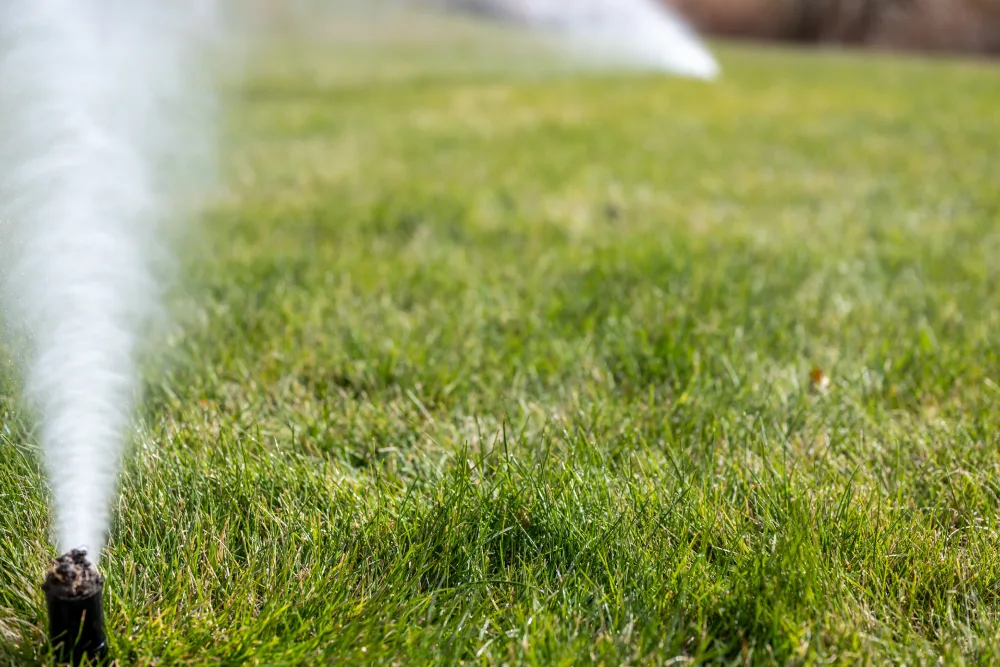
Drain or Blow Out the Water You have two primary options:
Blow-Out Method (Air Compressor)
Connect an air compressor to the blow-out port (follow manufacturer guidelines).
Use low pressure (around 40 to 50 psi for residential systems).
Run zone by zone, starting with the furthest.
Watch for water expulsion. Move to the next when it runs clear.
Manual Drain Method
Open manual drain valves at low points.
Use gravity to release water from lines.
Remove caps or plugs if needed.
Insulate Exposed Components
Backflow preventers and vacuum breakers: Wrap in foam or use commercial insulation kits. Use a Styrofoam box or heat cable if needed.
Valves, control boxes, and pipes: Insulate with foam and secure with waterproof tape or zip ties.
Sprinkler heads: Remove above-ground heads and store. Retract pop-up heads and cover with insulation if possible.
Protect Control Systems & Sensors
Turn off or unplug controllers.
If installed outdoors, use a sealed or weatherproof enclosure.
Remove and store rain/freeze sensors in a dry place.
Label & Document Your System
Label zones and valves for easy spring reactivation.
Take photos or notes about layout, repairs needed, or problem areas.
Inspect Throughout the Winter
Check for pests, rodents, or weather damage monthly.
Inspect insulation after heavy snow.
Look for cracking or exposed fittings after freeze-thaw cycles.
When to Hire a Professional (and Why Aeroscape Is Ready)
For commercial, HOA, or complex irrigation systems, hiring a professional is often faster, safer, and more reliable. Don’t let frozen pipes drain your spring budget. Winterize early. Our winterization service include:
Proper blow-out equipment
Expertise with Utah’s soil and frost depth
Efficient zone-by-zone service
Documentation of system status
We include irrigation winterization as part of our year-round landscape maintenance services across Salt Lake and Utah Counties.
Common Mistakes to Avoid
Even with the best intentions, winterizing your irrigation system can go wrong without the right steps. Avoid these common mistakes to keep your system safe and ready for spring:
Waiting too long to shut off the water can lead to frozen pipes
Using excessive air pressure during blow-out can crack valves or pipes
Neglecting to drain low points or lateral lines, causing trapped water to freeze
Leaving sensors, timers, or exposed heads unprotected from snow or ice
Forgetting to insulate above-ground components like backflow preventers
Taking the time to winterize properly prevents costly repairs and ensures your system is ready to go when the weather warms up.
Schedule Your Winterization Before the Freeze
Protect your irrigation investment with help from Utah’s trusted commercial landscaping experts. Contact us at 801‑569‑2383 or contact us online to schedule your winterization service. Don’t wait until the first freeze to act. Slots fill quickly during peak season. Early scheduling ensures your system is protected before temperatures drop. Serving Salt Lake County, Utah County, and surrounding areas.
Ready to work with a dependable commercial landscaping partner? Contact our team to discuss your property needs, timelines, and expectations. We’re here to provide consistent service, clear communication, and solutions built to support your property year-round. You can also explore our recent projects to see the quality of our work in action.