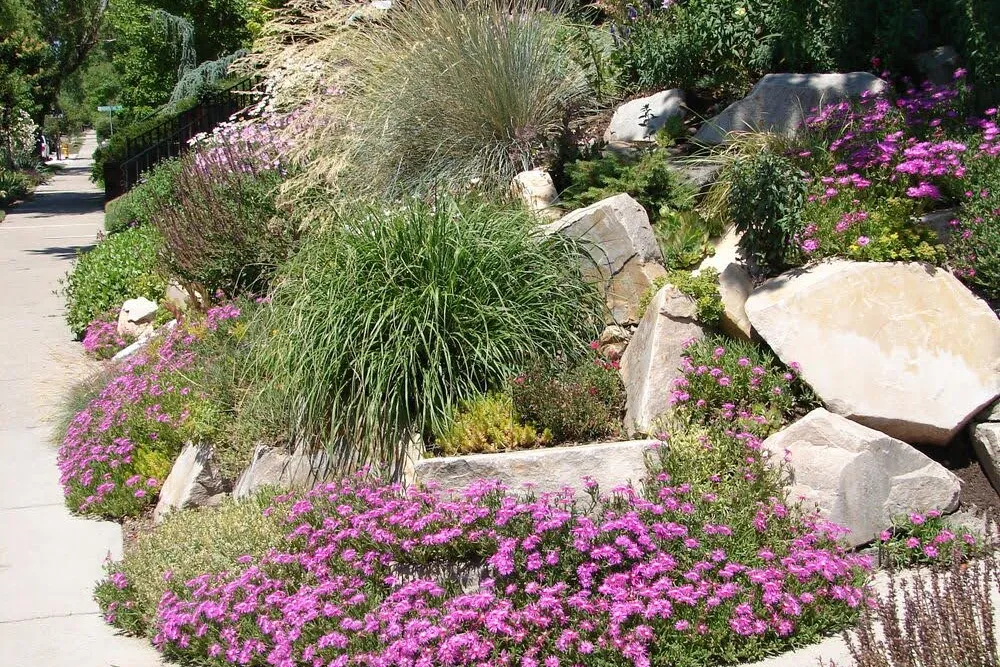
Utah homeowners face rising water costs and frequent drought conditions. Xeriscaping offers a proven solution that cuts water usage by 50-75% while creating stunning outdoor spaces. This complete guide shows you how to transform your property with water-wise landscaping that thrives in Utah’s climate.
What Is Xeriscaping?
Xeriscaping is landscape design that minimizes irrigation needs. This method uses drought-resistant plants, efficient watering systems, and strategic ground covers to create beautiful yards that survive on minimal water. Utah’s arid climate makes xeriscaping particularly effective for homeowners seeking sustainable landscaping solutions.
The concept originated in Colorado during the 1981 drought. Denver Water coined the term by combining “xeros” (Greek for dry) with “landscaping.” Today, xeriscaping has become standard practice across the American West.
Key Components of Xeriscaping:
- Native and drought-tolerant plants
- Efficient irrigation systems
- Mulch and ground covers
- Strategic plant grouping
- Soil improvement
- Reduced lawn areas
How Much Water Does Xeriscaping Actually Save?
Scientific studies show xeriscaping reduces residential water consumption by 50-75% compared to traditional lawns. These impressive savings result from using plants that are adapted to local rainfall patterns and employing efficient irrigation methods. Utah homeowners typically see dramatic reductions in their summer water bills within the first growing season.
A typical Utah home uses 60% of its water for outdoor irrigation. Xeriscaping can cut this usage dramatically.
Water Savings Breakdown:
- Traditional lawn: 1-2 inches of water per week
- Xeriscape plants: 0.5 inches or less per week
- Annual savings: 15,000-30,000 gallons per year
- Cost savings: $200-500 annually on water bills
During Utah’s 2021 drought, xeriscaped properties maintained their beauty while traditional lawns died or required expensive watering permits.
What Plants Work Best for Utah Xeriscaping?
Utah’s high desert climate supports numerous drought-resistant plants that add color and texture to your landscape. These plants have evolved to thrive in conditions with hot summers, cold winters, and limited rainfall. Selecting the right plant varieties ensures your xeriscape will flourish with minimal water input while providing year-round visual appeal.
Top Drought-Tolerant Flowers:
- Aster: Purple blooms, attracts butterflies
- Lavender: Fragrant, purple spikes bloom all summer
- Echinacea: Pink cone flowers, feeds birds
- Marigold: Orange and yellow, pest-resistant
- Zinnia: Colorful, long-blooming period
- Cosmos: Delicate, daisy-like flowers
- Phlox: Dense clusters of small flowers
Native Utah Shrubs:
- Utah juniper: Evergreen, drought-proof
- Serviceberry: White flowers, purple berries
- Oakleaf mountain mahogany: Silvery foliage
- Four o’clock: Pink and yellow flowers
- Apache plume: White flowers, feathery seeds
Grasses and Ground Covers:
- Blue grama: Native prairie grass
- Buffalo grass: Low-growing, green carpet
- Penstemon: Tubular flowers, hummingbird favorite
- Yucca: Dramatic white flower spikes
- Sedum: Succulent, colorful varieties
What About Trees in Xeriscaping?
Trees provide crucial benefits in xeriscaped landscapes. Strategic tree placement reduces home energy costs by up to 46% through summer shade and winter wind protection. Drought-tolerant trees also create microclimates that help other plants thrive while adding vertical structure to the landscape design. Selecting native tree species ensures long-term success with minimal water requirements once established.
Best Drought-Tolerant Trees for Utah:
- Gamble oak: Native, colorful fall leaves
- Utah juniper: Evergreen, extremely drought-tolerant
- Honey locust: Fast-growing, filtered shade
- Russian olive: Silver foliage, fragrant flowers
- Pine species: Year-round color, wind protection
Tree Placement Tips:
- Plant on the south and west sides for summer cooling
- Use evergreens on the north side for wind protection
- Allow space for mature canopy spread
- Consider root systems near foundations
How Do You Start a Xeriscaping Project?
Starting a xeriscaping project requires careful planning, but it delivers both immediate and long-term benefits. Successful xeriscaping depends on understanding your specific site conditions and selecting plants that are well-suited for each area. Most homeowners find the planning phase takes 2-3 weeks, but it prevents costly mistakes during installation. Beginning with a manageable 200-300 square foot area allows you to learn proper techniques and see results quickly, building confidence for larger projects.
Step 1: Assess Your Current Landscape
- Measure your total yard area
- Identify existing plants worth keeping
- Note sun/shade patterns throughout the day
- Test soil drainage and composition
Step 2: Design Your Layout
- Group plants by water needs
- Plan for mature plant sizes
- Create focal points with larger specimens
- Design pathways and gathering areas
Step 3: Prepare the Soil
- Remove existing grass and weeds
- Add compost to improve drainage
- Grade for proper water flow
- Install edging for defined areas
Step 4: Install Irrigation
- Choose drip irrigation or soaker hoses
- Group plants with similar water needs
- Install timers for consistent watering
- Test the system before planting
Step 5: Plant and Mulch
- Plant during spring or fall
- Space plants according to mature size
- Apply 2-3 inches of mulch around plants
- Water deeply but infrequently
What Are the Best Irrigation Methods for Xeriscaping?
Efficient irrigation systems make xeriscaping successful. Traditional sprinklers waste 30-50% of water through evaporation and overspray. Modern xeriscaping relies on precision watering methods that deliver water directly where plants need it most. The right irrigation system can reduce water usage by an additional 20-30% beyond what drought-tolerant plants alone provide.
Drip Irrigation Benefits:
- Delivers water directly to plant roots
- Reduces evaporation by 90%
- Prevents water on leaves (reduces disease)
- Easy to automate with timers
Soaker Hose Systems:
- Lower cost than drip irrigation
- Good for linear plantings
- Easy DIY installation
- Works well for established plants
Smart Irrigation Controllers:
- Adjust watering based on weather
- Monitor soil moisture levels
- Reduce water usage by 20-30%
- Smartphone app control
How Does Mulch Help Xeriscaping Success?
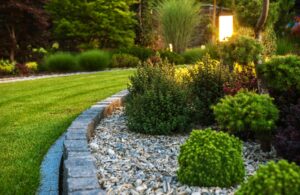
Mulch is critical for xeriscaping success. Proper mulching reduces water needs by 25-50% while suppressing weeds and regulating soil temperature. Mulch acts as a protective barrier that mimics the natural forest floor, creating ideal growing conditions for drought-tolerant plants. The right mulch choice can also add visual appeal while serving important functional purposes in water conservation.
Best Mulch Types for Utah:
- Wood chips: Long-lasting, attractive
- Gravel: Permanent, various colors available
- River rock: Natural appearance, good drainage
- Shredded bark: Organic, improves soil over time
Mulch Application Guidelines:
- Apply 2-3 inches deep
- Keep mulch 6 inches from plant stems
- Refresh organic mulches annually
- Use landscape fabric under gravel
Can Xeriscaping Look Beautiful?
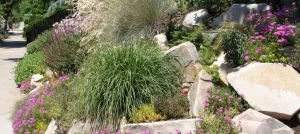
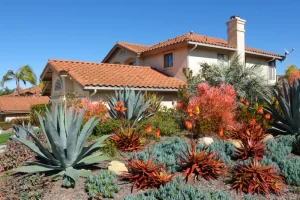
Many people worry that xeriscaping looks barren or desert-like. Modern xeriscaping creates lush, colorful landscapes that rival traditional approaches. Professional designers use principles of color, texture, and seasonal interest to create stunning outdoor spaces that change throughout the year. The key lies in selecting diverse plant materials and arranging them thoughtfully to create a visual impact while maintaining water efficiency.
Design Principles for Beautiful Xeriscapes:
- Use plants with varying heights and textures
- Include seasonal color with flowering plants
- Create visual interest with different foliage colors
- Add hardscape elements like stone pathways
- Use containers for accent plants
Color Throughout the Seasons:
- Spring: Penstemon, desert marigold
- Summer: Blanket flower, bee balm
- Fall: Asters, ornamental grasses
- Winter: Evergreen shrubs, colorful bark
Common Xeriscaping Mistakes to Avoid
Learning from others’ mistakes saves time and money on your xeriscaping project. Many homeowners make predictable errors that can be prevented with proper knowledge and planning. Understanding these common pitfalls helps ensure your xeriscaping investment delivers the expected water savings and visual appeal. Avoiding these mistakes can save thousands of dollars and years of frustration while ensuring your water-wise landscape thrives from the start.
- Choosing the Wrong Plants: Many drought-tolerant plants from other regions fail in Utah’s specific climate. Stick to plants proven successful in northern Utah conditions.
- Poor Drainage: Heavy clay soil retains too much moisture, killing drought-adapted plants. Always improve drainage before planting.
- Overwatering: New xeriscapers often water too frequently. Deep, infrequent watering develops strong root systems and drought tolerance.
- Insufficient Mulch: Skipping mulch or applying too little increases water needs and weed problems. Proper mulching is essential for success.
- Ignoring Mature Sizes: Planting too close together creates overcrowding and increases maintenance needs. Research mature plant sizes before planting.
Professional Xeriscaping Services vs. DIY
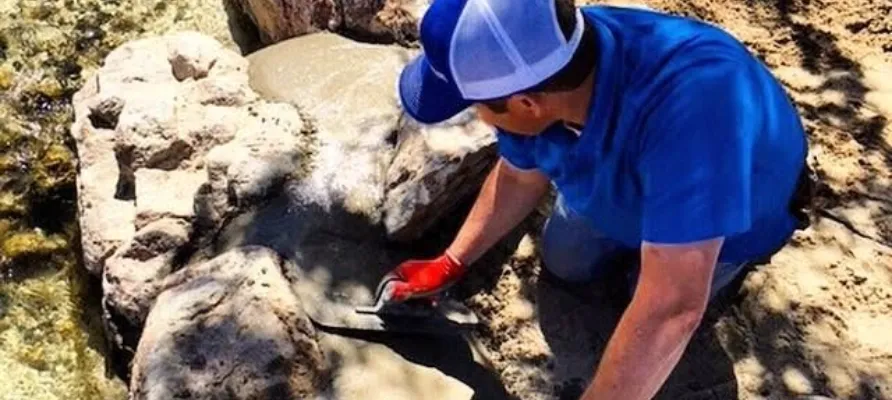
Deciding between professional installation and DIY depends on project scope, budget, and experience level. Professional contractors bring specialized knowledge about soil preparation, plant selection, and irrigation design that can prevent costly mistakes. However, motivated homeowners can successfully complete smaller xeriscaping projects with proper research and planning. The choice often comes down to time availability, technical skill level, and the complexity of your specific site conditions.
DIY Xeriscaping Pros:
- Lower upfront costs
- Complete control over design
- Satisfaction of personal accomplishment
- Gradual implementation possible
Professional Services Pros:
- Expert plant selection and placement
- Proper soil preparation and drainage
- Efficient irrigation system design
- Warranty on plants and installation
- Faster project completion
Consider Professional Help For:
- Properties larger than 1,000 square feet
- Slopes requiring erosion control
- Complex irrigation system installation
- Soil drainage problems
- Time constraints
Start Your Xeriscaping Project Today
At Aeroscape Property Maintenance & Landscaping, we help Utah homeowners create stunning xeriscaped properties that thrive in our climate. Our experienced team understands native plant selection, proper irrigation design, and soil preparation techniques that ensure long-term success. Call Aeroscape or visit our website at https://www.aeroscapeutah.com/ to schedule your xeriscaping consultation today.