Xeriscaping is the practice of designing a landscape to limit the need for irrigation. These landscapes generally require little water beyond the annual rainfall. This method of landscaping has become particularly popular in the western United States, particularly in drought-prone regions. Many cities have embraced xeriscaping as a means to conserve water for drinking. Some studies suggest that xeriscaping can reduce water consumption anywhere between 50 and 75 percent. In addition to water conservation, xeriscaping is also seen as another way to maintain a beautiful, but less labor-intensive garden as well.
Native Plants
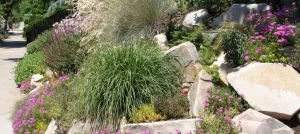
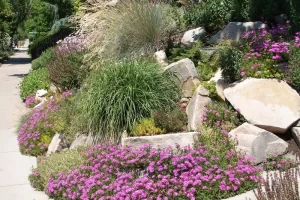
Xeriscapes use native vegetation. For example, grassy lawns would be replaced with soil, mulch, rocks and drought-tolerant plants. A common type of plant used in xeriscaping is cactus, however there are many other drought-tolerant plants that can be used as well. Here is a list of other drought-resistant flowers commonly used in xeriscapes:
Aster
Baby’s Breath
Columbine
Cosmos
Delphinium
Echinacea
Iris
Lavender
Marigold
Pansy
Phlox
Portulaca Sundial
Red Valerian
Tulips
Yucca
Zinnia
While these flowers are common in xeriscape design, keep in mind there are many other native and regional plants that are drought-resistant and can be used in your landscape too. Check with us here at Aeroscape for more information on native plants that work best in our area.
The Importance of Irrigation
A vital component of xeriscaping is choosing an effective irrigation method to help supplement rainfall. While many other types of landscaping use sprinklers, xeriscaping generally uses drip or soaker hoses which go to the base of each plant. This helps to prevent evaporation that would have occurred if a standard sprinkler system had been used, working to conserve water as well. In addition to choosing an appropriate irrigation method, xeriscaping works to save water by grouping plants with similar water requirements together too.
Ground Cover
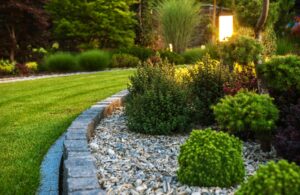
While irrigation might be the most important aspect of xeriscaping, it only works if it is paired with the appropriate ground cover. Mulching is another critical component to creating an effective xeriscape. Mulch and other ground covers work to not only to reduce moisture loss, they also prevent erosion, regulate ground temperature, and prevent weed growth making xeriscaping a less labor-intensive type of landscaping.
Looking into Xeriscaping near Salt Lake City, Utah?
We have experienced staff ready to help you with any of your landscaping needs – including xeriscape design. Call Aeroscape at (801) 567-2383 or click on our Contact an Expert green arrow on any page of our website to get in touch with us today.
Ready to work with a dependable commercial landscaping partner? Contact our team to discuss your property needs, timelines, and expectations. We’re here to provide consistent service, clear communication, and solutions built to support your property year-round. You can also explore our recent projects to see the quality of our work in action.