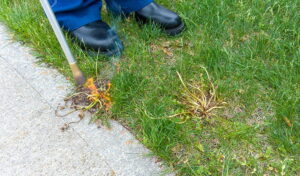
Property owners across Salt Lake County face a persistent challenge that goes beyond ordinary lawn care: noxious weeds. These aggressive plants create serious problems for landscapes, agriculture, and public health. Understanding how to identify, control, and prevent these weeds can save you thousands of dollars and protect your property investment.
This comprehensive guide provides Salt Lake County property owners with proven strategies to identify, manage, and eliminate noxious weeds before they cause expensive damage. You’ll learn about Utah’s legal requirements, effective control methods, safety precautions, and when to call professionals for help. Most importantly, you’ll discover how early action prevents small weed problems from becoming costly infestations that can result in county fines and property damage.
What Are Noxious Weeds?
Noxious weeds differ significantly from typical weeds. A noxious weed is any plant that the local, state, or federal government designates as harmful to public health, agriculture, wildlife, recreation, or property. Regular weeds simply cause economic loss or ecological damage, but noxious weeds require special removal tactics due to their aggressive nature and potential dangers.
The key difference lies in their classification and the legal requirements for removal. Property owners must eliminate noxious weeds within specific timeframes or face potential fines from local authorities.
Why Are Noxious Weeds So Dangerous?
Understanding the true scope of noxious weed damage helps property owners recognize the importance of taking immediate action. These invasive plants cause problems that extend far beyond simple aesthetic concerns. The damage they create affects entire communities and can take decades to reverse.
Environmental Impact
Noxious weeds create widespread ecosystem damage through multiple pathways:
- Biodiversity Loss: These plants crowd out native species, reducing plant diversity in natural areas
- Fire Hazard Increase: Many noxious weeds dry out and become highly flammable, increasing wildfire risks
- Soil Composition Changes: Root systems alter soil chemistry, making it harder for desirable plants to grow
- Pollinator Disruption: These weeds draw beneficial insects away from native plants that support local ecosystems
- Toxic Effects: Some species release chemicals that poison the surrounding vegetation
These environmental impacts create a cascade effect that damages entire ecosystems. Once established, noxious weeds become increasingly difficult to remove and continue spreading to new areas. The longer these plants remain in place, the more severe and permanent the environmental damage becomes.
Economic Consequences
The financial impact of noxious weeds affects every level of society, from individual property owners to entire state economies. Utah’s agricultural sector, tourism industry, and property values all suffer significant losses each year. These economic damages often exceed the cost of prevention and early intervention by hundreds of times.
Utah loses millions of dollars annually due to noxious weed infestations. These losses include:
- Crop destruction and reduced agricultural yields
- Poor soil development is affecting land values
- Decreased recreational opportunities
- Building and infrastructure damage
- Costly removal and control programs
The true cost extends beyond direct financial losses to include reduced quality of life and decreased property values. Many property owners face unexpected expenses when county authorities require immediate weed removal. Understanding these potential costs motivates proactive weed management strategies.
Utah’s Noxious Weed Classification System
Utah’s systematic approach to categorizing noxious weeds helps property owners understand which threats require immediate attention. This classification system guides enforcement priorities and determines the legal requirements for removal. Knowing your property’s weed classification helps you plan appropriate response strategies and avoid potential legal issues.
The Utah Noxious Weed Act established a five-tier classification system based on threat level and distribution:
- Class 1A: Early Detection Rapid Response (EDRR) Watch List – These weeds are not known to exist in Utah but pose serious threats if introduced. Class 1A weeds represent the highest prevention priority and should be reported immediately if discovered.
- Class 1B: Early Detection Rapid Response (EDRR) – These weeds exist in very limited populations in Utah and pose serious threats to the state. Property owners must eliminate Class 1B weeds immediately upon discovery to prevent spread.
- Class 2: Control Weeds – These weeds are widely distributed but still considered controllable. Class 2 weeds require active management and control efforts to prevent further spread.
- Class 3: Containment Weeds – These weeds are widely distributed and considered beyond complete control. The focus shifts to containing their spread rather than elimination.
- Class 4: Prohibited Weeds – These weeds are prohibited from sale or propagation in nurseries and greenhouses. Class 4 weeds pose threats through retail distribution channels.
Understanding these classifications helps you allocate time and resources effectively. Focus your immediate efforts on Class 1A and 1B weeds to prevent establishment and spread. This systematic approach ensures you address the most critical threats first while developing long-term management strategies for established infestations.
Five Proven Control Methods for Noxious Weeds
Successful noxious weed management requires selecting the right control method for each specific situation. Different weeds respond better to different approaches, and environmental factors influence which methods work best. Combining multiple control methods often produces better results than relying on a single approach.
1. Prevention Methods
Prevention remains the most cost-effective approach to noxious weed management. This proactive strategy stops weeds before they establish, saving property owners from expensive removal efforts later. Prevention methods require minimal equipment and can be integrated into regular property maintenance routines.
- Maintain healthy landscapes and natural areas
- Use certified weed-free seed and mulch
- Clean mowing and tilling equipment regularly between uses
- Inspect and clean shoes, pets, vehicles, and equipment after visiting infested areas
Prevention strategies require consistent effort but save significant time and money compared to removal efforts. Property owners who implement strong prevention programs rarely face major infestations. The small investment in preventive measures pays substantial dividends in reduced future control costs.
2. Cultural Control Methods
Cultural methods focus on creating conditions that favor desirable plants over weeds. These techniques work by strengthening your existing landscape to naturally resist weed invasion.
Cultural control represents a sustainable approach that improves your property’s overall health while reducing weed pressure.
- Establish strong, competitive landscape plants
- Apply appropriate mulching techniques
- Regular monitoring and early detection programs
- Proper irrigation and fertilization to support healthy plant communities
Cultural control methods work by making your property less hospitable to invasive species. These approaches create long-term solutions that reduce the need for repeated interventions. Strong cultural practices often eliminate the need for more expensive chemical or mechanical control methods.
3. Mechanical Control Methods
Mechanical removal involves the physical elimination of weeds. This hands-on approach provides immediate, visible results and works well for property owners who prefer chemical-free solutions. Mechanical methods allow precise targeting of individual weeds without affecting surrounding desirable plants.
- Hand pulling (with proper safety equipment)
- Hoeing and cultivation
- Mowing at strategic times to prevent seed production
- Tilling to disrupt root systems
Important: Many noxious weeds require multiple mechanical treatments over several years for complete elimination.
Mechanical control provides immediate results and avoids chemical applications in sensitive areas. This approach works best for small infestations or situations where chemical use is not appropriate. Success requires proper timing and often multiple treatments to exhaust the plant’s energy reserves and prevent regrowth.
4. Biological Control Methods
Biological control uses natural enemies to target specific weed species. This method relies on introducing or supporting organisms that naturally control weeds in their native environments. Biological control offers an environmentally friendly solution that can provide permanent weed suppression once established.
- Introduction of beneficial insects that feed on target weeds
- Use of plant pathogens that attack specific weed species
- Grazing management with animals that prefer weeds over desirable plants
Note: Biological control typically takes years to show results but provides long-term suppression.
Biological methods offer sustainable, long-term solutions with minimal environmental impact. These approaches work best as part of integrated management programs rather than standalone treatments. The slow initial results require patience, but successful biological control can provide decades of effective weed suppression.
5. Chemical Control Methods
Chemical control offers fast results but requires careful application. This method provides the most immediate and reliable control for severe infestations that other methods cannot handle effectively. Modern herbicides offer selective options that can target specific weed types while protecting desirable plants.
- Selective herbicides that target specific weed types
- Non-selective herbicides for severe infestations
- Organic chemical options for environmentally sensitive areas
- Systemic herbicides that kill entire plant systems
Selection Criteria: Choose chemicals based on weed type, impact on desirable plants, application frequency, timing requirements, and treatment duration.
Chemical control provides the fastest and most reliable results for severe infestations. Proper herbicide selection and application timing are critical for success and environmental protection. Always follow label instructions precisely and consider hiring professionals for large-scale chemical applications.
When to Hire Professional Weed Control Services
Recognizing when a noxious weed problem exceeds your capabilities can save time, money, and prevent serious safety risks. Professional weed control specialists have specialized equipment, training, and experience that make them more effective in challenging situations. Attempting to handle complex infestations without proper expertise often leads to incomplete removal and recurring problems.
Some noxious weed situations require professional intervention:
- Large infestations covering extensive areas
- Weeds in sensitive environmental areas
- Highly toxic species like Poison Hemlock
- Situations requiring specialized equipment or chemicals
- When previous DIY efforts have failed
Professional services become cost-effective when you consider the time, equipment, and repeated treatments often required for successful DIY removal. Licensed professionals also carry insurance and understand local regulations, protecting you from liability and compliance issues. The peace of mind and guaranteed results often justify the additional cost of professional treatment.
Seasonal Timing for Maximum Effectiveness
Timing your weed control efforts correctly can dramatically improve success rates while reducing the number of treatments needed. Different weeds have varying growth cycles, and herbicides are most effective when applied during specific growth stages. Understanding seasonal patterns helps you plan treatments when weeds are most vulnerable and weather conditions are most favorable.
Spring (March-May)
- Best time for pre-emergent herbicide applications
- Young plants are easier to remove mechanically
- Cool-season weeds are actively growing and vulnerable
Summer (June-August)
- Focus on preventing seed production through mowing
- Apply post-emergent herbicides to warm-season weeds
- Monitor for new infestations from wind-blown seeds
Fall (September-November)
- Ideal time for systemic herbicide applications
- Plants transport chemicals to the root systems for winter storage
- Remove annual weeds before they drop seeds
Winter (December-February)
- Plan next year’s control strategy
- Order supplies and schedule professional services
- Continue monitoring for evergreen noxious species
Successful weed management requires year-round attention, with different activities appropriate for each season. Proper timing can reduce the need for repeated treatments and prevent new infestations from establishing. Planning seasonal activities in advance ensures you have the necessary supplies and services available when optimal treatment windows occur.

Creating Your Noxious Weed Management Plan
A systematic approach to noxious weed management prevents small problems from becoming expensive crises. Successful property owners develop written plans that guide their actions throughout the year. Having a clear strategy helps you allocate resources effectively and ensures consistent progress toward your weed control goals.
- Property Assessment: Walk your property and identify all noxious weeds present. Take photos and note locations for future reference.
- Prioritize by Classification: Address Class A weeds first, followed by Class B, then Class C species.
- Choose Control Methods: Select the most appropriate control method for each weed type and location.
- Develop a Timeline: Create a schedule for treatments, monitoring, and follow-up applications.
- Budget Planning: Calculate costs for DIY vs. professional services and plan accordingly.
- Monitor and Adjust: Regular monitoring allows you to adjust your plan based on results and new infestations.
Your management plan should evolve based on results and changing conditions on your property. Regular plan reviews help you identify successful strategies and modify approaches that are not working effectively. A well-executed plan prevents reactive crisis management and keeps your property compliant with local regulations year-round.
Ready to Eliminate Your Weed Problems?
Don’t wait another day to take action against noxious weeds on your property. Every day you delay, these aggressive plants spread deeper roots, produce more seeds, and become exponentially harder to remove. Municipal violations can cost you hundreds or thousands in fines, plus expensive emergency removal services.
Contact Aeroscape Property Maintenance & Landscaping today by visiting our website to schedule your free consultation with our certified weed control experts. Our specialists have successfully eliminated noxious weeds from hundreds of Salt Lake County properties, and we guarantee compliance with all state and local requirements.