Deep core aeration in Utah is necessary because the state’s clay-heavy soil compacts quickly and blocks water, oxygen, and nutrients from reaching the grass roots. When soil becomes too tight, lawns often turn thin, yellow, patchy, or drought-stressed even when they are watered on a regular schedule. Annual aeration helps open the soil, improve root growth, and give Utah lawns a better chance to stay healthy through heat, traffic, and seasonal changes.
Why Utah Clay Soil Creates So Many Lawn Problems
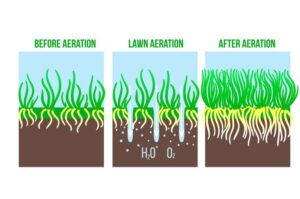
Utah’s clay-heavy soil can become dense under normal lawn use, especially along the Wasatch Front where many properties deal with hard, compacted ground. Once that soil tightens, water struggles to soak in, oxygen movement slows down, and grass roots stay closer to the surface. This is why lawn aeration in Utah matters so much, because the real issue is often not the grass itself, but the compacted soil underneath it.
Clay soil can cause:
- Water runoff after irrigation
- Shallow root growth
- Thin or weak turf
- Yellow or drought-stressed grass
- Puddling in low spots
- Hard soil underfoot
- Poor fertilizer results
- Faster turf decline in high-traffic areas
What Deep Core Aeration Does Differently
Deep core aeration removes small soil plugs to open compacted clay and help the lawn breathe. These openings let water, air, and nutrients reach the root zone instead of sitting on the surface or running off. For Utah lawns, this can improve turf strength, watering results, and seasonal recovery. A proper core aeration service helps:
- Loosen compacted soil
- Improve water absorption
- Support deeper roots
- Reduce surface runoff
- Move nutrients into the soil
- Improve lawn density
- Support stronger recovery
How Often Utah Lawns Should Be Aerated
Most Utah lawns should be aerated once per year because clay soil tends to compact faster than softer soil types. Properties with heavy foot traffic, pets, play areas, HOA common spaces, or commercial use may need aeration twice per year to keep the soil from becoming too hard. If the lawn feels firm, dries out quickly, or keeps thinning even with proper watering, a more frequent aeration schedule may be needed.
A simple rule to follow:
- Once per year: Most residential lawns
- Twice per year: Heavy clay soil, high traffic, HOAs, and commercial turf
- As needed: Lawns with recurring puddling, runoff, or thin areas
When to Aerate Lawn in Utah
The best time to aerate a Utah lawn is when the grass is growing and can recover quickly. Fall is usually the best window, while spring works well if fall service was missed. Summer heat and frozen winter soil can make aeration less effective. Best timing windows:
- Fall, September to early November: Best for recovery and winter prep.
- Spring, April to June: Good option if fall was missed.
- Avoid summer: Heat can stress the lawn.
- Avoid winter: Frozen soil blocks proper tine depth.
How Deep Core Aeration Should Be Done
A deep core aerator for Wasatch Front lawns should pull plugs deep enough to break through the tight surface layer and reach the active root zone. In many cases, the goal is around 2 to 3 inches deep, depending on soil moisture, turf condition, and equipment quality. If the soil is too dry or too wet, the aeration may not work as well, so timing and preparation both matter.
Best practices include:
- Water the lawn 1 to 2 days before service if the soil is dry
- Avoid aerating muddy turf
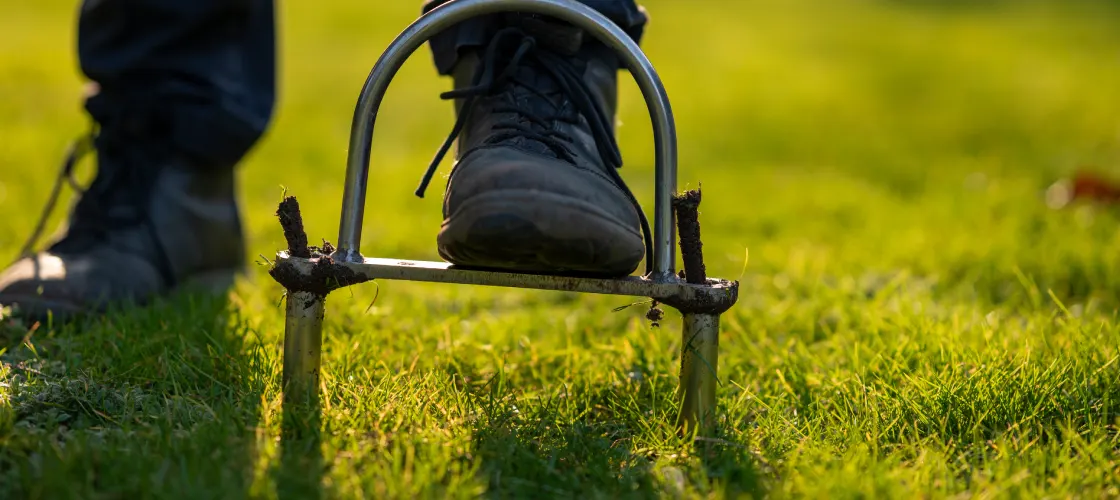
- Use a hollow-tine core aerator
- Avoid spike aeration for compacted clay
- Leave the soil plugs on the lawn
- Make a second pass on severely compacted areas
- Overseed after fall aeration if the lawn is thin
Professional Aeration vs. Renting a Machine
Renting an aerator can work for small lawns, but Utah clay soil can make the job harder than it looks. If the machine does not pull deep plugs, misses compacted areas, or runs over soil that is too dry, the results may be limited. A professional lawn aeration service in Salt Lake City or nearby Utah areas can provide better timing, deeper plug removal, and more even coverage across the lawn.
Professional service can help with:
- Better equipment
- More consistent plug depth
- Proper soil moisture timing
- Stronger coverage
- Extra attention to compacted areas
- Better pairing with overseeding or lawn care
- Less risk of wasted effort
Why Aeration Matters for Commercial Landscape Maintenance
Commercial properties often deal with heavier turf use, higher visibility, and more pressure to keep the lawn looking clean and healthy. Foot traffic, mowing patterns, irrigation schedules, and seasonal stress can all compact the soil faster than many property owners realize. Aeration supports commercial landscape maintenance by helping turf absorb water better, develop stronger roots, and hold a more consistent appearance across high-use areas.
Aeroscape Property Maintenance & Landscaping is a go-to source for commercial landscape maintenance in Utah, including lawn maintenance and seasonal care. Paired with aeration and smart irrigation, regular maintenance helps commercial lawns stay healthier through Utah’s changing conditions.
What to Expect After Deep Core Aeration
After deep core aeration, the lawn will have small soil plugs across the surface, and those plugs should stay in place. They break down naturally, return soil material to the lawn, and help support the process that improves soil structure over time. Most plugs disappear within a week or two, depending on watering, mowing, weather, and soil conditions.
After aeration:
- Leave the plugs on the lawn
- Water based on normal lawn needs
- Avoid heavy traffic for a short time
- Overseed thin areas if recommended
- Follow up with proper fertilization
- Keep mowing at the right height
- Watch irrigation coverage
FAQs About Deep Core Aeration in Utah
How often should Utah lawns be aerated?
Most Utah lawns should be aerated once per year because clay soil compacts quickly. Lawns with heavy traffic, dense clay, pets, HOA use, or commercial activity may need aeration twice per year.
What is the best time to aerate a lawn in Utah?
Fall is usually the best time to aerate because cooler weather helps the lawn recover and build stronger roots before winter. Spring is also a good option if the lawn missed fall aeration.
Is spike aeration enough for Utah clay soil?
Spike aeration is usually not enough for compacted Utah clay because it pushes soil aside instead of removing plugs. Core aeration is better because it creates real space for water, oxygen, and nutrients.
Should I overseed after aeration?
Overseeding after fall aeration is a good option for thin or patchy lawns. The open holes help improve seed-to-soil contact, which can support better germination and thicker turf.
Schedule Deep Core Aeration for a Healthier Utah Lawn
Deep core aeration gives Utah lawns the soil relief they need when clay compaction keeps water, oxygen, and nutrients from reaching the roots. It helps the lawn absorb moisture, recover from stress, and build stronger turf before the next season brings heat, traffic, or cold weather. If your lawn feels hard, looks thin, or struggles even with regular watering, aeration may be the missing piece. Contact our team today to schedule professional lawn care and commercial landscape maintenance services built for Utah properties.