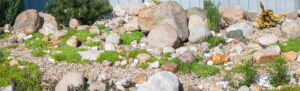
There are a few terms you may have heard if you’re new to the world of landscaping, and “hardscape” is a common example. What is hardscape in landscaping, and what are some important features and elements you should be considering if you’re thinking about including hardscape elements in your landscape?
At Aeroscape, we’re proud to offer an extensive range of landscape design and installation services to clients around Salt Lake City, Draper, Sandy, South Jordan and nearby areas, plus various landscape maintenance and related solutions. What is hardscape in landscaping, and what should you be thinking about when utilizing these products? Here’s a simple rundown from our team, which is always happy to help with any hardscape and related landscaping needs.
What is Hardscape in Landscaping?
The term hardscape refers to a broad range of hard, non-living elements that are incorporated into a landscape. This can include materials such as stone, concrete, wood, metal, and other durable products that are used to create functional or decorative features in the outdoor space.
These hardscape elements can be used for various purposes, which we’ll go over in our section below. They can also add structure, visual interest, and dimension to a landscape design. Some common examples of hardscape elements include patios, walkways, retaining walls, fire pits, water features, and outdoor kitchens.
Common Purposes of Hardscape Materials
There are several different purposes that hardscape materials can serve in landscaping. Here are some of the most common uses for these elements:
- Functionality: One of the primary reasons to incorporate hardscape into a landscape design is to create functional spaces. For example, a patio provides an outdoor area for entertaining and dining, while walkways allow for easy access from one part of the yard to another.
- Aesthetics: Hardscape elements can also be used to enhance the visual appeal of a landscape. The right combination of textures and colors can add interest and beauty to an outdoor space.
- Property Protection: Some hardscape features, such as retaining walls, are important for protecting your property from erosion and other potential damage.
- Outdoor Living: Many hardscape elements, such as fire pits and outdoor kitchens, create opportunities for outdoor living. These features can provide a space to relax, entertain, and enjoy the outdoors.
- Separation or Partitioning the Landscape: In other cases, hardscape materials can be used to define different areas of the landscape and create a sense of separation. For example, retaining walls or fencing can divide the yard into distinct sections for gardening, play areas, and more.
Examples of Hardscape Applications
While this is far from an exhaustive list, here are some common examples of hardscape elements and how they can be used in a landscape design:
- Patios: A patio is a flat, paved area that typically extends from the house and provides an outdoor living space for dining, lounging, or entertaining.
- Walkways: Walkways are paths made from stone, concrete, brick, or other materials that connect different parts of the yard. They can be used to create easy access to certain areas or lead to interesting features like a gazebo or water feature.
- Retaining Walls: Retaining walls are vertical structures built with stones, bricks, blocks, or other materials. They are commonly used to hold back soil on steep slopes, creating a level area for planting or other purposes.
- Water Features: Water features, such as fountains, ponds, and waterfalls, can add a serene and natural element to a landscape.
- Fire Pits: Fire pits are gathering spots that provide warmth and light for outdoor living. They can be built with various materials and designed to fit the style of your landscape.
Factors to Consider When Using Hardscape Materials
If you’re considering incorporating hardscape elements into your landscape design, here are some important factors to keep in mind:
- Purpose: Start by defining the purpose of the hardscape feature. Is it primarily functional, aesthetic, or both? This will help guide your decisions on which materials to use and how to design the feature.
- Compatibility: You want your hardscape elements to flow seamlessly with the rest of your landscape. Consider the existing features, plants, and overall style of your yard when choosing materials and designs for hardscaping.
- Maintenance: Some hardscape materials require more maintenance than others. For example, wood may need regular sealing or staining, while stone may only require occasional cleaning. Think about how much time and effort you’re willing to put into maintaining these elements before making a decision.
- Budget: Hardscaping can be a significant investment, so make sure you have a budget in mind and stick to it. Consider the cost of materials, labor, and any additional features or landscaping that may be needed to complement the hardscape elements.
Hardscaping is an important aspect of landscape design that can add both functionality and aesthetic appeal to your outdoor space. By understanding what hardscape is and considering key factors, you can create a beautiful and harmonious landscape that meets your needs and budget.
At Aeroscape, we have years of experience in designing and installing hardscape features for clients in Salt Lake City, South Jordan, Draper, Sandy and surrounding areas. If you’re interested in incorporating hardscaping into your landscape, don’t hesitate to reach out to us for expert guidance and exceptional service!