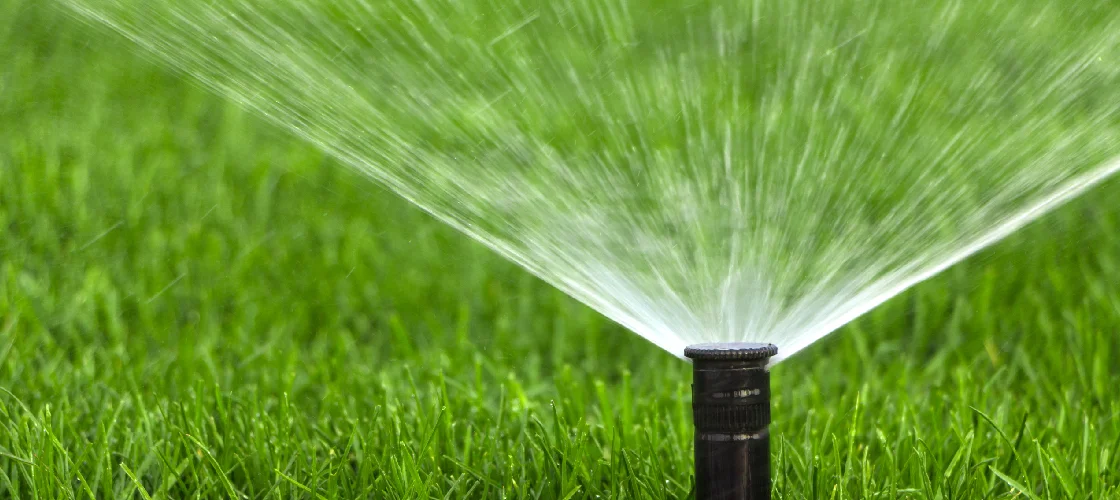
A good irrigation system design in Utah starts with knowing how much water your property can actually supply. Your available GPM, water pressure, lawn size, soil type, slope, and plant needs all affect how many sprinkler heads and irrigation zones your system needs. When these details are ignored, the result is often dry spots, runoff, weak spray, and wasted water.
What Goes Into Irrigation System Design?
Irrigation design is the plan that decides how water moves across your property. It includes zone layout, sprinkler head spacing, drip irrigation, pipe sizing, valve placement, and controller setup. A good design should account for pressure, GPM, lawn size, sun exposure, soil type, slopes, plant needs, and local watering limits.
For residential irrigation design in Utah, this may include lawns, planting beds, park strips, trees, and side yards. Commercial irrigation in Salt Lake City may also include entry areas, medians, frontage, and large turf sections. Each area should be planned around how much water it needs and how much water the system can deliver.
Why Utah Irrigation Systems Need Careful Planning
Utah properties often face dry summers, compacted soil, slopes, wind, and rapidly changing weather. These conditions make irrigation design more important because water needs to be applied evenly without running off or missing key areas. A good irrigation design along the Wasatch Front should help reduce waste, support healthy grass, and protect plants during hot weather.
Different parts of the same property may need different watering plans. A sunny lawn, shaded side yard, sloped area, and shrub bed should not always run on the same schedule. Separating these areas into the right zones helps the system work more efficiently.
How Many Sprinkler Heads Per Zone?
The number of heads per zone depends on your GPM, pressure, pipe size, and sprinkler head type. One zone can only support as many heads as the water supply can handle. If too many heads are added, the pressure drops and coverage becomes weak.
| Available GPM | Head Type | Approximate Heads Per Zone |
| 8 GPM | Spray heads | 4 to 6 heads |
| 10 GPM | Spray heads | 5 to 8 heads |
| 12 GPM | Spray heads | 6 to 10 heads |
| 15 GPM | Rotary nozzles | 4 to 8 heads |
| 20 GPM | Rotor heads | 4 to 6 heads |
These numbers are only estimates. The final count depends on the exact nozzle, pressure, spacing, and layout. A professional installer should test the water supply before deciding how many sprinkler heads per zone will work.
What Installers May Not Always Explain
More sprinkler heads do not always mean better coverage. If too many heads are placed on one zone, the pressure drops, and the sprinklers may not spray far enough. A smaller number of properly spaced heads can often work better than an overloaded zone.
The goal is head-to-head coverage, in which each sprinkler reaches the next. This gives the lawn more even watering and helps prevent dry patches. Some systems are designed with fewer zones to lower the upfront cost, but that can lead to weak coverage, overspray, runoff, and water waste later.
How Many Irrigation Zones Do I Need?
Most Utah properties need multiple irrigation zones because turf, shrubs, trees, slopes, and drip areas should not all run together. A small home may need 4 to 6 zones, while larger properties may need 8 to 12 or more. Commercial properties may require additional zones because they often include large turf sections, parking lot islands, entry beds, and frontage areas.
You may need separate zones for front lawns, back lawns, park strips, side yards, full-sun areas, shaded areas, slopes, shrub beds, trees, and drip irrigation. The best answer to how many irrigation zones do I need depends on water flow and landscape layout, not just square footage. A system with the right number of zones is easier to schedule, adjust, and maintain.
Why GPM Matters So Much
GPM means gallons per minute. It tells you how much water your system can deliver while maintaining sufficient pressure. This number controls how many heads can run at one time and how many zones your system will need.
If your property has 12 GPM available, the system must be built around that number. A zone that needs 18 GPM will not work correctly, even with good sprinkler heads. This is one of the most important parts of irrigation installation in Utah.
Keep Sprays, Rotors, and Drip on Separate Zones
Spray heads, rotor heads, rotary nozzles, and drip irrigation apply water at different rates. They should usually be placed in separate zones. Mixing them can cause one area to get too much water while another area stays dry.
A better design groups similar areas together. Lawn zones, shrub zones, tree zones, and drip zones should each have their own watering plan when needed. This helps the controller run each part of the property for the right amount of time.
Utah Soil, Slopes, and Sun Exposure Matter
Many Utah landscapes have clay soil, compacted areas, or sloped yards. Clay soil absorbs water slowly, and slopes can move water away before it soaks in. That is why some properties need cycle-and-soak watering, pressure-regulated heads, check valves, or separate slope zones.
Full-sun turf may also need different scheduling than shaded lawn areas. Wind exposure can also affect spray coverage, especially in open areas. These details matter when deciding how many sprinklers per zone in Utah and how long each zone should run.
Common Irrigation Design Mistakes
Many irrigation problems come from poor design, not bad parts. If the system layout is wrong, replacing heads may not fix the issue. A system should be planned around pressure, GPM, spacing, and actual landscape conditions.
Common mistakes include:
- Too many heads on one zone
- Mixed head types on one zone
- Poor head spacing
- No GPM testing
- No pressure testing
- Overwatering shaded areas
- Underwatering sunny areas
- Ignoring slopes
- Using one schedule for every zone
These issues can lead to brown spots, runoff, plant stress, and higher water bills. They can also make the system harder to adjust during hot or dry weather. Proper planning helps avoid these problems before the system is installed.
How Aeroscape Helps With Irrigation Design in Utah
Aeroscape Property Maintenance & Landscaping designs irrigation systems around real property conditions. Our team looks at water flow, pressure, lawn size, plant needs, slopes, sun exposure, and long-term maintenance before planning the system. This helps each zone support the area it is meant to water.
We provide irrigation design and installation for residential and commercial properties across Utah. Whether you need a new system, better zone control, drip irrigation, or help fixing dry spots, we can create a layout that fits your property. Our goal is to help your irrigation system water efficiently and perform reliably through Utah’s dry season.
Plan Your Irrigation System the Right Way
The right irrigation system starts with the right numbers. GPM, pressure, zone planning, and sprinkler head layout all affect how well your system works. When these details are planned correctly, your lawn and landscape can get more even watering with less waste.
If you need professional irrigation system design in Utah, Aeroscape Property Maintenance & Landscaping can help you plan and install a system that fits your property. We can help you choose the right number of zones, sprinkler heads, and watering methods for your landscape. Contact us today to schedule irrigation design or installation service.